Travertine
Travertine is a beautiful natural stone that is often used in interior and exterior designs. It is known for its unique texture and warm appearance. The distinctive pores and veins in travertine give it a playful and organic look. Using travertine in your interior adds a touch of elegance and natural beauty. Whether you choose a modern or classical style, travertine offers countless possibilities to give your space a timeless and luxurious look.
In summary, travertine is a versatile and stunning natural stone that can be a stylish addition to any interior or exterior design. It combines natural beauty with durability and easy maintenance, making it a favorite choice for many people.
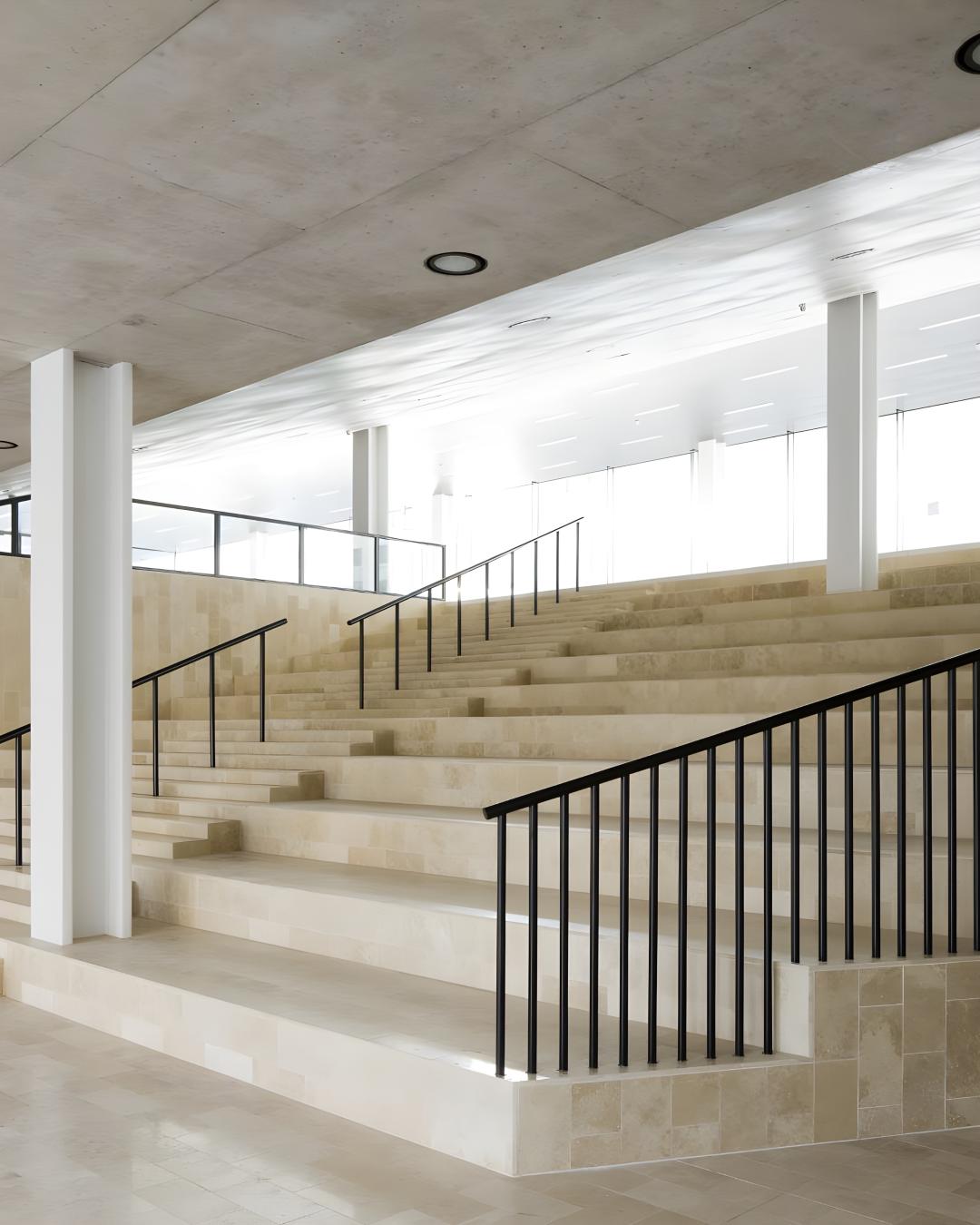

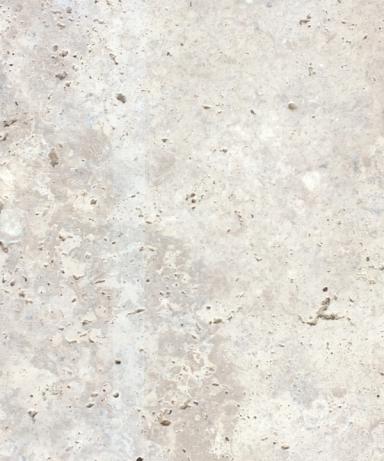
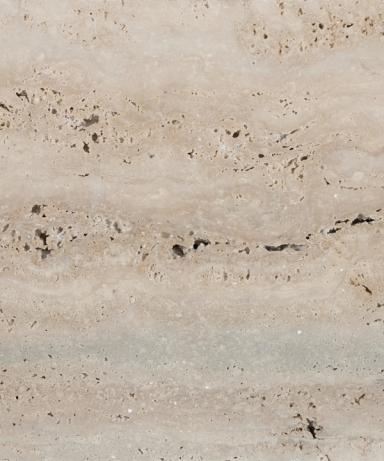
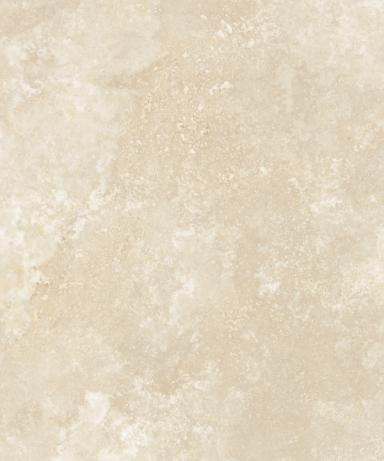
Travertine: Technical Guide to Architectural Tiles and Custom Work
Travertine is a natural stone full of character, praised worldwide for its warm tones and unique porous structure. STONE NV supplies travertine as high-quality tiles or as solid blocks for exclusive custom work, from Belgium to clients across Europe, the United States and the Middle East. Read more about the history and uses of travertine in our in-depth article.
What is Travertine?
Travertine is a type of limestone formed by mineral deposits around hot springs. Its most distinctive feature is its natural pores, created by gas bubbles escaping during deposition, which give the stone its iconic, organic texture. Travertine has been used since Roman times: the Colosseum in Rome is built largely of travertine.
Aesthetics and Cutting Method: Vein-cut vs. Cross-cut
The visual identity of the stone is determined by how it is cut:
- Vein-cut: The stone is cut parallel to the deposition layers, revealing a clean, horizontal linear pattern.
- Cross-cut: The stone is cut perpendicular to the layers, creating a cloudy pattern that accentuates the characteristic pores.
Material Properties and Custom Work
- Filled or unfilled: The pores can be filled with a colour-matched filler for a smooth, easy-to-maintain surface, or left open for a rustic character.
- Hardness: Travertine is softer and more porous than granite, but dense enough to last for generations when correctly installed and protected.
- Thermal comfort: Light travertine stays cool underfoot, ideal for terraces and pool surrounds in direct sunlight.
- Formats: Available as standard tiles or as a solid custom block for stairs and architectural elements.
Applications: From Indoor Floors to Worktops
Travertine can be used widely, indoors and out:
- Interior floors: Travertine floors create a timeless, warm base in homes and commercial lobbies.
- Outdoor applications: Frost-resistant varieties are an excellent choice for terraces and elegant facade cladding.
- Kitchen and bathroom: Travertine kitchen worktops and travertine bathrooms make a unique aesthetic statement, provided they are treated correctly. Travertine is sensitive to acids such as lemon juice and vinegar.
Maintenance and Durability
- Cleaning: Use only pH-neutral products to protect the limestone structure.
- Protection: For worktops and floors, an initial impregnation is essential to prevent stains.
- Patina: Over time, travertine develops a natural patina that enhances its character.
- Price: The price varies depending on origin, finish, format and whether the stone is filled. See our price list for an up-to-date overview.